







19/08/2026
Garden clear-outs look simple on paper. Hedge clippings, branches, soil bags, old plant pots,...
Rubbish Clearance Hampstead provides a straightforward collection service for unwanted items and mixed waste in Hampstead, with support for homes, gardens, landlords and local businesses. The service is designed to help customers clear clutter, bulky items and general rubbish in a way that is organised, practical and easier to plan around than an improvised tip run. If you need a quoted collection, you can start by requesting pricing and quotes.
We handle a range of clearances rather than a single narrow job type, so the work can be matched to the waste you actually have. That may mean a one-off item, a roomful of household clutter, a garden pile after pruning, or heavier materials from light renovation work. The emphasis is on removing the right materials from the right place and dealing with them responsibly, without making the process feel complicated.
For customers comparing options, the service overview gives a concise summary of the main collection types, including domestic, furniture, garden and builders’ waste. You can also use the company background information on our services overview to see how the different jobs fit together before deciding which route suits your waste best.
Domestic clearance work can cover anything from a few awkward items to a more complete tidy-up of a flat or house. Typical jobs include bagged rubbish, broken household goods, mixed clutter from spare rooms, and items that have built up after a move or general reset. The aim is to take away material that is ready to leave the property, while keeping the process simple enough for everyday domestic use. When a property contains a mix of different waste streams, we can help separate the obvious categories so the collection is managed sensibly rather than as a single unsorted load.
Where a household collection involves larger or more varied items, it is worth checking whether another page describes the most suitable category more clearly. For example, the domestic waste collection page is useful when the focus is on everyday household rubbish, while the broader house clearance service suits fuller clear-outs that can include several rooms or a more structured removal plan. Choose the route that best reflects the amount and type of material you need shifted, because that helps make the enquiry and the collection itself more efficient.
For smaller domestic jobs, it helps to think in practical terms. A clear description of the items, approximate volume and access conditions is often enough to shape the collection properly. Photographs and a short inventory can be especially helpful when the waste includes mixed objects, breakables, or items that are too large to carry discreetly. Keep the focus on what is present, what must go, and whether there are stairs, tight corridors or other access considerations that may affect loading.
Furniture removal is often the simplest way to deal with bulky pieces that are still taking up valuable space. Sofas, tables, wardrobes, shelving, beds and similar items can be collected as a planned clearance, whether they come from a domestic property, a landlord turnover or a business move. A careful approach matters because furniture can be awkward to manoeuvre through doorways, stairs and communal areas, so the practicalities of access and lifting need to be considered from the outset.
Where the job includes fridges, washing machines, cookers or other appliances, it may be more appropriate to use the dedicated disposal route rather than treat everything as general rubbish. The white goods and appliance disposal page covers that sort of collection, which is useful when the main issue is one or more large household machines. If you are clearing mixed contents from a room as well as appliances, it may still be possible to combine the work into one visit, provided the items can be described clearly at the enquiry stage.
Access details matter more than many customers expect. Narrow hallways, basement steps, controlled entry points and limited parking can all influence how a collection is handled. If you are arranging a furniture pickup, it is sensible to mention the size of the pieces, whether they need dismantling, and whether there are shared areas to protect. Those details help shape a practical quotation and reduce the chance of delays on the day.
Garden waste removal is suited to green cuttings, prunings, hedge trimmings, branches, soil-contaminated material and other outdoor debris that builds up after maintenance work. It is a useful option when a tidy garden still leaves behind more material than can comfortably be handled in household bins. The service is particularly relevant after seasonal pruning, border clearing or more substantial outdoor work that produces a noticeable volume of waste.
The dedicated garden waste removal page focuses on that material in more detail, while the main collection service can also accommodate mixed outdoor loads where the waste is not purely green. If there is a combination of branches, old pots, broken outdoor furniture or general rubbish from a shed or patio area, it is usually best to describe the full load so the collection can be matched to the real job rather than only the most obvious part of it.
For outdoor clearances, a concise note about the access route, whether waste is at the front or rear of the property, and whether bags or loose piles are involved will make the process easier to plan. Loose garden material can sometimes be more time-consuming to load than neatly bagged cuttings, so it helps to be honest about the condition of the waste. That way the quotation reflects the actual work instead of an idealised version of it.
Builders’ waste removal is aimed at the debris that follows small-scale construction, refurbishment or repair work. This may include offcuts, packaging, broken plasterboard, timber pieces, tile fragments and mixed site rubbish from domestic or commercial premises. It is a practical choice when a project has ended or paused and the leftover material needs clearing before the space can be used properly again. The work should be planned around what is present, because building-related waste can vary a great deal from one property to another.
For projects with clearly construction-led waste, the builders’ waste removal page is the right place to check the typical scope, especially if the load contains heavier or sharper debris that needs particular handling. Some projects also produce mixed material, where packaging, fixtures and general rubbish are all present together. In that situation, a single collection may still be suitable, but the description should be detailed enough to distinguish reusable contents from actual waste and to note any bulky fragments that take up disproportionate space.
If a renovation has left several categories of material behind, the most helpful quotation is usually based on honest volumes rather than rough assumptions. Mention whether items are stacked, bagged, scattered or boxed, and whether the waste sits on the ground floor, in an outbuilding or somewhere that involves extra carrying. A clear description of the site conditions allows the collection to be arranged with fewer surprises.
Commercial waste removal is suitable for offices, shops, workspaces and other trading premises that need unwanted material taken away in a way that is orderly and predictable. The work can include obsolete stock, packaging, general office rubbish, furniture from a refit, or mixed waste left after rearrangement. For businesses, the useful distinction is often not whether the items are large or small, but whether the collection needs to fit around trading hours, access controls and the layout of the premises.
The commercial waste removal page is the best fit when the collection is tied to a workplace rather than a private home. It can also help when there is a one-off clear-out after a fit-out or when a small amount of commercial rubbish has accumulated over time. In either case, it is helpful to be precise about the kinds of waste present and whether the premises have shared entrances, service lifts or other access arrangements that affect loading.
For business customers, the enquiry should ideally identify the waste, the location within the building and the best time for removal. That does not need to be overcomplicated; a short description and a few practical details are usually enough. Good access information can make the quotation clearer and the collection easier to schedule, particularly where there are time windows, reception procedures or loading restrictions to consider.
When customers ask about cost, the main variables are usually the type of waste, the volume, the lifting involved and the ease of access. A collection with several bulky items, awkward stairs or mixed material may take different handling from a straightforward pile of bagged rubbish. That is why a clear and honest description is more useful than an estimate based only on guesswork. The dedicated pricing and quotes page explains the quotation route in a straightforward way, so you can decide what information to provide and what sort of collection you need.
Responsible handling matters just as much as removal itself. Waste should be taken through the right channels, with attention to sorting and suitable disposal routes where required. If you want to understand the standards behind that process, the waste carrier licence and compliance page sets out the compliance side of the service, while the recycling and sustainability page explains the general approach to keeping recyclable material out of ordinary waste streams where possible.
When the work is being planned, it helps to gather the essential points in one place: the item types, approximate amount, property access, and any practical constraints such as parking or time windows. You do not need to prepare a lengthy brief. A brief description, a few useful photographs and a note of anything awkward to move are often enough for a sensible quotation. If you are ready to go ahead, send the details and request a quote.
Hampstead is an area in North West London known for its mix of village-like streets, steep lanes and open green space. Its historic core developed around Hampstead High Street and the surrounding roads, while the wider district stretches across part of the London Borough of Camden and touches the edges of other nearby neighbourhoods. One of its defining landmarks is Hampstead Heath, a large open expanse of parkland, woodland and ponds that has long shaped the local character and offers a striking contrast to the denser streets nearby. The area’s built environment includes Georgian and Victorian terraces, mansion blocks, converted houses and later infill, with much of the housing reflecting periods of growth linked to London’s expansion. Hampstead also has a longstanding association with artists, writers, performers and intellectual life, which has contributed to its distinct public image. Around the heath and the older centre, streets are often narrow and irregular, with changes in level that add to the sense of a place shaped by both history and topography. The neighbourhood’s cultural life includes theatres, galleries, churches, cafés and independent shops, while the heath itself remains central to local recreation and to the broader identity of the district. Even away from the best-known streets, the area is marked by a layered urban fabric, with quieter residential pockets, conserved architecture and a strong sense of continuity between the old village centre and the surrounding modern city.
Different properties call for different clearance approaches, and the most suitable option often depends on how the waste is distributed rather than the address itself. A flat may need help with stairs and shared access; a family house may involve several rooms and loft contents; a shop or studio may have stock, packaging or furniture that needs moving efficiently. The service is therefore best understood as a flexible collection solution, with the details shaped around the waste and the layout of the premises.
Where contents need removing from a fuller domestic property, the house clearance page is a helpful reference point. For more specific loads, the furniture, garden or builders’ categories may be more appropriate, especially if the waste is concentrated in one area or consists mainly of a single type of material. The aim is not to force every job into the same label, but to match the collection to the material actually needing attention.
Before you enquire, it is usually enough to note what must be cleared, how much there is, and whether the items are easy to reach. If the waste is spread across several rooms, or if there are items that need dismantling or separating, mention that too. Short, practical information allows the quotation to be based on the real collection rather than on assumptions, and it makes it easier to agree the right service from the start.
A good quotation is built on the facts that affect the collection itself: quantity, weight, loading effort and accessibility. Two jobs may look similar from a distance but differ greatly once the team has to carry items downstairs, navigate communal entrances or sort through mixed rubbish. That is why clear descriptions are so valuable. They give a more accurate basis for estimating the work and reduce the risk of either side misunderstanding what is included.
The most useful information usually covers the main item types, whether the waste is bagged or loose, and whether there are any constraints such as timed access, limited parking or restrictions in shared spaces. If a load contains a mixture of household, furniture and outdoor items, it can still be described in one enquiry, provided the categories are made plain. For customers who prefer to compare before deciding, the company pages for about us and contact us can help you move from general research to a direct request for a collection.
To keep the process straightforward, you can think in three parts: what is going, where it is located, and what makes access easy or difficult. That simple structure is often enough to support a sensible response. If you are ready to arrange rubbish clearance in Hampstead, request your quotation today and provide the details that matter most.
Preparation does not have to become a project in itself. In many cases, it is enough to keep the waste together, separate anything you intend to keep, and make the route to the material as straightforward as possible. If the clearance includes several categories of waste, it may help to group like with like so the load can be understood quickly. That small amount of organisation can make the collection easier to plan, especially where items are bulky or spread between rooms and outdoor spaces.
Some customers prefer to send a brief list, while others find that a few images are simpler. Either way, the aim is the same: to show the volume and type of waste clearly enough for an informed response. If the job involves stairways, basements, shared hallways or restricted entry, include that detail early. The more practical the description, the more likely it is that the arrangement will suit both the collection and the property layout without unnecessary back-and-forth.
If you would like the work arranged, use the contact route when you are ready and ask for a quotation. The service is set up to deal with common household and business clearances in a way that is direct, responsible and easy to understand.
Rubbish Clearance Hampstead for household, garden, furniture, builders’ and commercial waste. Clear, responsible collection support in Hampstead with quotes available.
Garden clear-outs look simple on paper. Hedge clippings, branches, soil bags, old plant pots,...

If you are arranging a rubbish collection in Hampstead, access can make the difference between a...
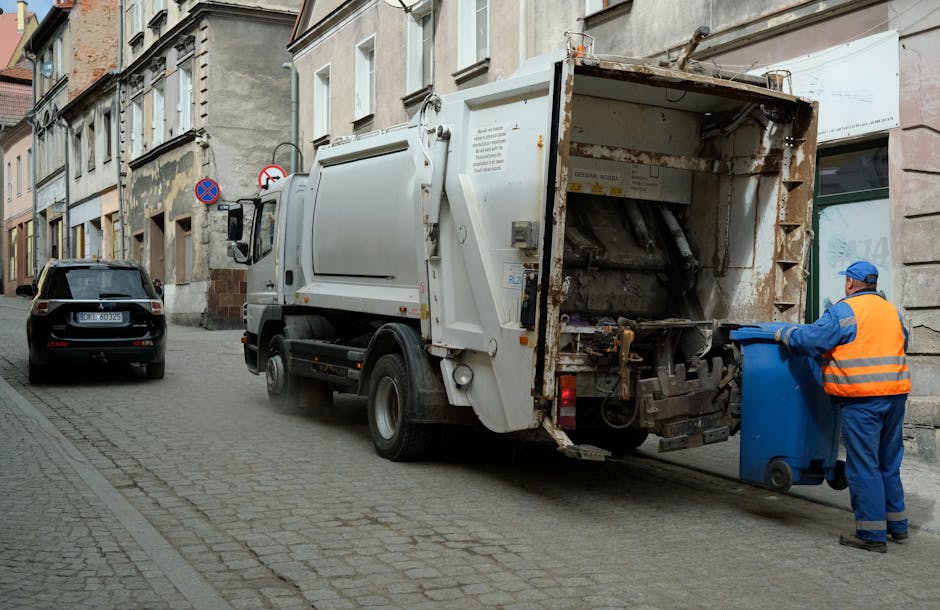
Getting rid of waste in Hampstead should feel straightforward, not like a small financial puzzle....
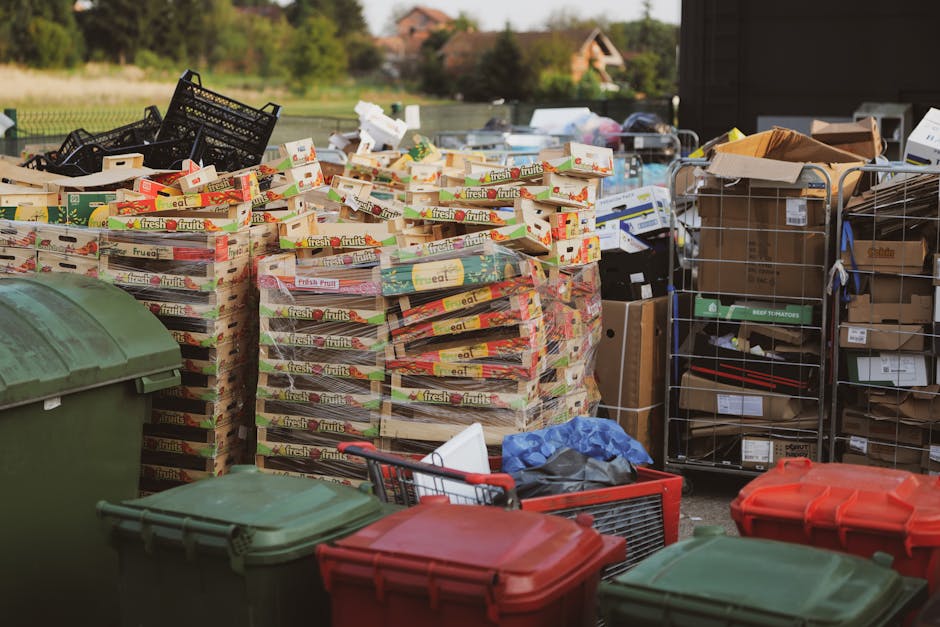
If you are trying to work out the best Flask Walk rubbish collection options NW3, you are...
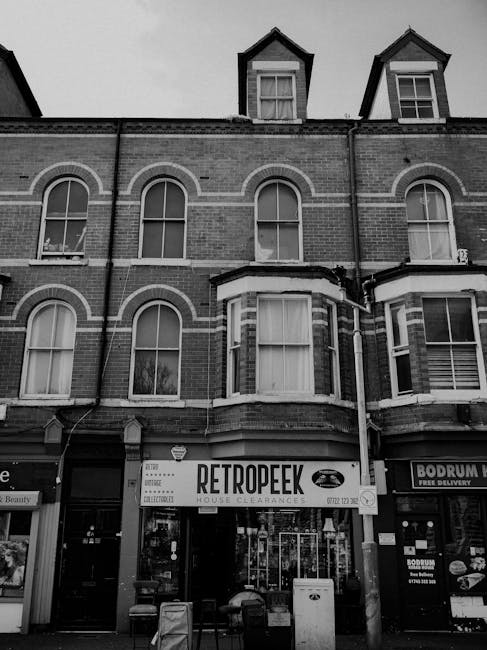
If you run a shop on Hampstead High Street, rubbish builds up in a way that feels oddly relentless.
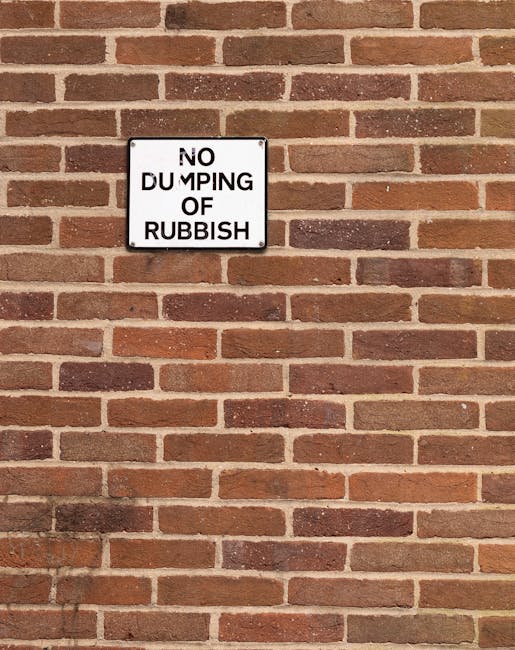
If you live near Rosslyn Hill, you already know that rubbish removal can be a bit more awkward...
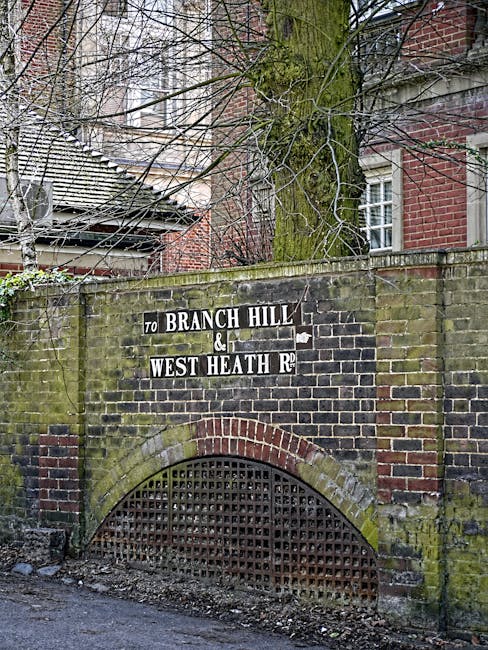
If you need rubbish removal near Hampstead Heath Pond, you probably want two things at once: the...

Located in the north-west of London, Hampstead is often referred to as one of the most beautiful...

Nestled in the heart of North London, Hampstead is renowned for its lush green spaces, rich...

Hampstead, known for its charming streets, elegant architecture, and vibrant culture, is an ideal...

Hampstead is one of London's most desirable neighborhoods, known for its affluent residents,...

Hampstead, with its historic charm and lush parks, is one of London's most desirable areas.

 (90)
(90)
Please fill out the form below to send us an email and we will get back to you as soon as possible.