Common problems with garden rubbish pickup in Hampstead
Posted on 19/08/2026
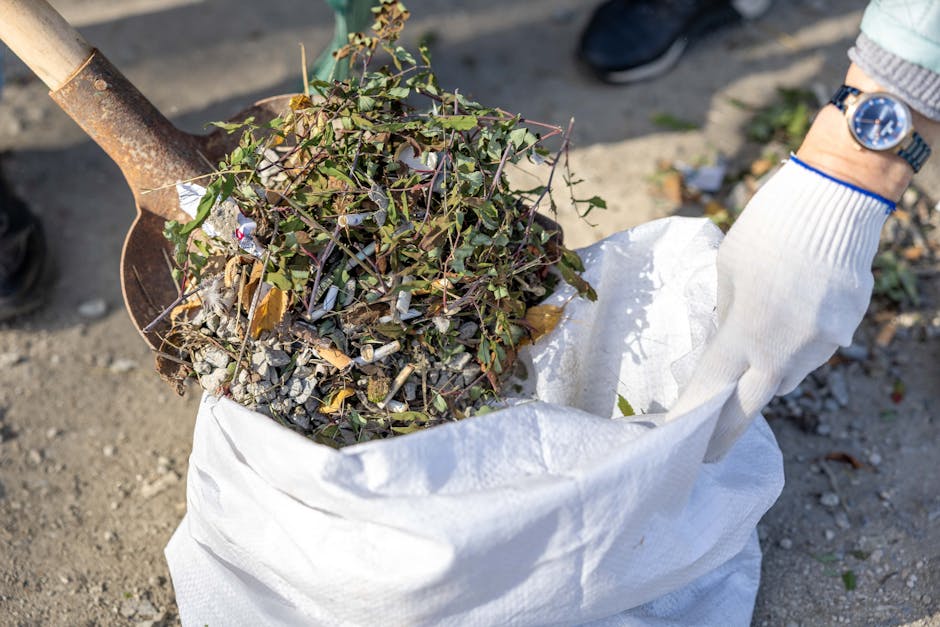
Garden clear-outs look simple on paper. Hedge clippings, branches, soil bags, old plant pots, maybe a broken trellis - stack it up, book a pickup, job done. In real life, though, common problems with garden rubbish pickup in Hampstead tend to show up fast: awkward access, surprise extra waste, unclear pricing, missed items, and collections that take longer than expected. If you live on a narrow road, have stepped access, or you are trying to clear a garden after a busy weekend, you will know the feeling.
This guide breaks down the problems people run into most often, why they happen, and what to do before the crew turns up. It also explains how a proper garden waste collection should work, what good practice looks like, and when it makes sense to use a specialist service rather than trying to bundle everything out yourself. Simple answer? A bit of preparation saves a lot of hassle. And possibly a sore back.
Why Common problems with garden rubbish pickup in Hampstead Matters
Garden rubbish is not just "green waste". In Hampstead, it often turns into a mixed load very quickly. One corner of the garden has pruning cuttings; another has a cracked bird bath, a couple of tired fence panels, and a bag of old compost that weighs more than it looks. The bigger issue is that pickup problems usually cost time, money, and patience at the same time.
For homeowners, landlords, tenants, and property managers, the main concern is not only getting rid of waste, but getting it removed properly. If you are preparing a sale, tidying after landscaping, or clearing an overgrown plot, delays can hold up everything else. That is especially annoying when the weather is turning, the garden is damp, and the pile has started to smell faintly earthy in that unmistakable way.
It also matters because not every "garden rubbish" job is straightforward. A crew may need to carry bags through a side passage, deal with steps, or separate recyclable material from general debris. If those realities are ignored at booking stage, the collection can become more expensive or less efficient than expected. To be fair, that is where many frustrations begin.
For readers looking for a broader view of how waste collections are handled locally, the services overview is a useful starting point. If your waste is more specifically organic and outdoor-related, the dedicated garden waste removal service in Hampstead is the most relevant place to begin.
How Common problems with garden rubbish pickup in Hampstead Works
At its best, garden rubbish pickup is a simple process. You show what needs removing, the team assesses access and volume, and the waste is loaded, sorted, and taken away. The catch is that "simple" depends on the accuracy of the booking and the condition of the site.
In practical terms, most issues come from one of five places:
- Misjudged volume - the load is bigger than it first looked.
- Mixed waste - garden cuttings have been combined with non-garden items.
- Access problems - narrow paths, parking pressure, steps, or rear-garden entry.
- Timing mismatch - the collection window does not suit the way the property operates.
- Compliance or disposal constraints - certain waste types need special handling.
That's the short version. In reality, garden rubbish pickups can also be affected by local street layout, shared entrances, neighbour parking, and how much the crew can safely carry at once. Hampstead has plenty of lovely properties, but lovely can still mean tight. A charming side return is still a side return, and rubbish bags do not magically shrink to fit it.
If you want to understand more about one of the most common operational issues, have a look at the guide on access problems for Hampstead rubbish crews. It lines up closely with what actually slows a pickup down.
Key Benefits and Practical Advantages
When garden rubbish pickup goes smoothly, the benefits are immediate. You get your outdoor space back, avoid repeated trips to the tip, and reduce the risk of leaving waste piled in a damp corner for weeks. That last point matters more than people think. Wet green waste can become heavy, messy, and awkward in a hurry.
Here are the main advantages of dealing with it properly:
- Cleaner garden spaces - easier mowing, pruning, and planting.
- Less physical strain - no dragging heavy bags down stairs or into cars.
- Better sorting - recyclable and compostable material can be handled more responsibly.
- More predictable cost - especially if the quote is based on accurate information.
- Faster project completion - useful after landscaping or seasonal tidy-ups.
There is also a less obvious benefit: peace of mind. Once the waste is out of the way, you stop thinking about it every time you look out the kitchen window. That sounds small, but it changes how a home feels. A tidy garden does that. You notice the light again, the planting, the space around the path.
For homeowners who also want to reduce waste, the article on creative ways to repurpose garden waste offers useful ideas before you book any pickup at all. And if sustainability is a priority, the page on recycling and sustainability shows how waste handling can be approached more responsibly.
Who This Is For and When It Makes Sense
This topic is relevant to more people than you might expect. Yes, it is obviously useful for homeowners who are cutting back shrubs or clearing a neglected bed. But it also matters to landlords between tenancies, gardeners doing regular maintenance, estate agents preparing a property, and anyone managing a one-off outdoor project.
It makes sense to arrange pickup when:
- the garden waste is too bulky for your household bins;
- you have mixed organic waste with old outdoor items;
- you are short on time and need the area cleared quickly;
- you do not have a vehicle suitable for transport;
- you want the waste sorted and removed in one visit.
A common real-world example: a family spends Sunday cutting back hedges, bagging leaves, and stacking a few broken planters. By Monday morning, the side passage is full, the bags are wetter than expected, and the car boot is nowhere near enough. That is the point where pickup starts to feel less like a convenience and more like a rescue.
If the job is part of a broader clear-out, it may be worth looking at domestic waste collection in Hampstead or even house clearance if the outdoor work is tied to an interior clear-out too.
Step-by-Step Guidance
Here is a practical way to handle garden rubbish pickup without unnecessary drama.
- Separate the waste first. Keep green waste apart from rubble, timber, metal, plastic pots, and anything sharp.
- Estimate the load honestly. If it is three large builder's sacks, say so. If it is more like eight, do not guess downwards.
- Check access. Note gates, steps, narrow routes, shared hallways, and parking limitations before booking.
- Remove hazards. Broken glass, nails, rusty tools, and thorny branches should be handled carefully.
- Ask how sorting is handled. Good operators will explain what gets recycled, composted, or sent elsewhere.
- Confirm timing and loading location. Make sure the crew knows where to park, where to load, and whether they need help with access.
- Review the quote. Make sure it reflects the actual waste type and volume, not just a rough estimate.
If you are comparing options, this is also the point where the page on pricing and quotes becomes genuinely useful. A clear quote is not just about cost; it is about preventing awkward conversations later.
One small thing, but important: take a photo of the waste before you book if you can. It saves everyone time. A quick phone picture in good daylight usually does the trick.
Expert Tips for Better Results
Most pickup problems are avoidable with a few habits. Nothing fancy, just basic prep done properly.
- Cut long branches down before collection. They are easier to carry and load.
- Keep soil separate if possible. Soil is heavy, and it changes how a load is priced and handled.
- Do not overfill bags. Overstuffed sacks split at the worst possible moment. Usually when someone is carrying them, naturally.
- Leave a clear path. Even a narrow, straight route can speed things up.
- Tell the crew about pets, locked gates, or shared access. Small details avoid big delays.
- Book before the pile gets unmanageable. The longer waste sits, the more awkward it becomes.
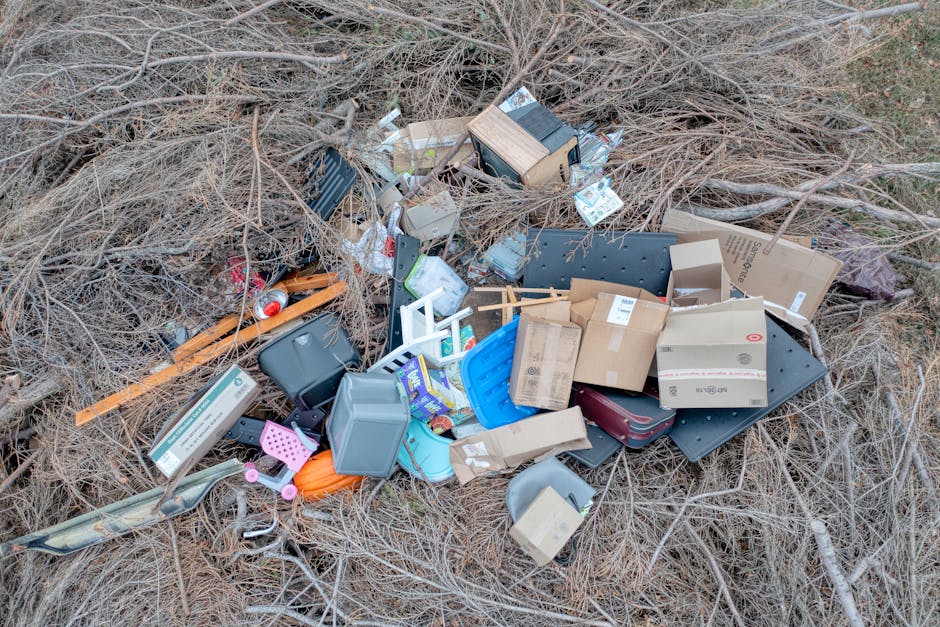
Another good habit is to think in terms of "what else is in this pile?" If the answer includes old chairs, broken plant supports, or leftover renovation debris, the job may no longer be pure garden waste. That matters because mixed waste often needs a different handling approach.
For broader service planning, the services overview is handy, and if the job includes furniture or awkward household items from the shed or conservatory, the furniture removal service may be a better fit for part of the load.
Common Mistakes to Avoid
The same few mistakes come up again and again. And yes, they are boringly common. That does not make them less disruptive.
1. Mixing waste types
Garden cuttings mixed with bricks, broken ornaments, or paint tins can create disposal issues. If it is not organic, do not casually toss it into the green pile and hope for the best.
2. Underestimating access issues
A wide drive on paper can become a narrow, awkward route once bins, bikes, and parked cars are in the way. Hampstead properties often have character. Character is lovely. Character can also mean stairs.
3. Forgetting about weight
A few bags of wet soil or turf can weigh far more than dry cuttings. What looked manageable at 8am can feel less manageable by 11.
4. Leaving the quote too vague
If the booking is based on "roughly a small amount", the final cost and timing may be less predictable. Be clear about size, material, and location.
5. Waiting too long
Piles left outside for days can attract pests, go soggy, or spread debris across the path when the wind picks up.
6. Ignoring safety
Sharp branches, hidden nails, and unstable stacks are all a bit too easy to overlook when you are trying to finish quickly.
The local article on avoiding hidden fees in Hampstead rubbish removal quotes is a practical companion piece if cost transparency is one of your concerns.
Tools, Resources and Recommendations
You do not need specialist equipment to prepare most garden waste, but a few simple tools make the process easier.
- Heavy-duty garden bags for leaves, cuttings, and light mixed organic waste.
- Gloves with a decent grip for thorny or damp material.
- Secateurs or loppers for reducing branch length before pickup.
- Tarpaulin or sheet to keep the route tidy and make loading easier.
- Wheelbarrow or sack truck if the waste needs to be moved a distance.
- Phone camera for sending accurate images before the job is booked.
It also helps to know what else the provider can handle if the garden project spills into other areas. For example, if a shed clear-out reveals broken appliances or old outdoor equipment, the white goods and appliance disposal page may be useful. If the project expands into bricks, rubble, and other building debris, then builders waste removal becomes relevant too.
For readers thinking longer term, the article on living in Hampstead gives a broader sense of the local area, while Rosslyn Hill rubbish removal tips and Flask Walk collection options are useful if your property sits in one of those busier pockets of NW3.
Law, Compliance, Standards, or Best Practice
Garden rubbish pickup is not just a practical service; it also sits within wider waste handling expectations in the UK. You do not need to memorise legislation to make a sensible booking, but you should expect a provider to handle waste responsibly and to be transparent about how they operate.
Good practice usually includes the following:
- clear identification of what waste is being removed;
- safe loading and transport;
- appropriate sorting of recyclable material where possible;
- proper disposal through lawful routes;
- safe handling of anything sharp, heavy, or potentially contaminated.
If you want reassurance about how a company approaches legality and duty of care, the page on waste carrier licence and compliance is directly relevant. It is also sensible to look at insurance and safety so you understand how the team manages risk on-site.
Privacy, payment handling, and terms are part of trust too, especially when you are booking remotely. If that matters to you - and it should - the pages on payment and security, terms and conditions, and privacy policy are worth a look. It is a boring read, perhaps, but a reassuring one.
Options, Methods, or Comparison Table
There are a few ways to deal with garden waste in Hampstead, and the best choice depends on volume, access, urgency, and how mixed the material is. Here is a simple comparison.
| Option | Best for | Main drawback | Typical experience |
|---|---|---|---|
| Home sorting and bin use | Small amounts of clean green waste | Slow, limited capacity | Fine for a few bags, not great for a full clear-up |
| DIY transport | People with a suitable vehicle and spare time | Messy, labour-intensive, time-consuming | Works, but often takes longer than expected |
| Dedicated garden rubbish pickup | Medium to large outdoor clearances | Needs accurate booking and access details | Usually the smoothest choice for mixed garden debris |
| Full clearance service | Gardens plus sheds, household overflow, or renovation waste | Can be broader than necessary for a small job | Useful when the project has clearly expanded |
In many cases, the specialist pickup is the sweet spot. Not too broad, not too basic. Just enough support to make the job disappear without turning your weekend into a logistics exercise.
If you are weighing up service types, the about us page can help you understand the company approach, while the garden waste removal service explains the most relevant route for outdoor waste specifically.
Case Study or Real-World Example
Here is a realistic Hampstead-style scenario. A homeowner in NW3 decides to tidy a back garden after months of neglected pruning. The pile includes hedge cuttings, a couple of old timber stakes, turf offcuts, cracked terracotta pots, and a bag of damp leaves that has clearly been sitting there since the last proper cold snap.
The first issue is access. The garden is behind a narrow passage and there are a few steps at the back door. The second issue is waste mix. The third is volume - it looks small from the kitchen window, but once it is gathered into one place, it is more than expected. Classic.
The job goes more smoothly once the waste is separated before pickup day. Green waste is grouped together, non-organic bits are set aside, the route is cleared, and photos are sent in advance. The crew arrives knowing what to expect, loads the material efficiently, and the garden is usable again by late afternoon.
The important lesson is not that the job was "easy". It was easy because someone took five minutes to think ahead. That is usually the difference between a tidy pickup and a frustrating one.
Practical Checklist
Use this checklist before booking or on the morning of collection.
- Separate green waste from general rubbish.
- Remove sharp or hazardous items from the pile.
- Estimate how many bags, branches, or loads you actually have.
- Check that gates, paths, and entrances are clear.
- Confirm whether parking or loading access is available.
- Take a photo of the waste if the booking is done remotely.
- Ask whether the provider can handle mixed items if needed.
- Review the quote for any assumptions about access or weight.
- Keep pets and children away from the work area.
- Set aside anything you want to keep before the crew arrives.
Expert summary: the smoother garden rubbish pickup usually comes down to three things - accurate waste description, honest access details, and early sorting. Get those right and most of the usual problems shrink fast.
Get a free quote today and see how much you can save.
Conclusion
Garden rubbish pickup in Hampstead is rarely difficult in theory, but the real-world details matter. Narrow access, mixed waste, wet material, and unclear pricing are the issues that trip people up most often. Once you know what to look for, though, the process becomes much easier to manage.
The main takeaway is simple: prepare the waste properly, describe the job clearly, and choose a provider that is transparent about compliance, safety, and disposal. That approach saves time and usually saves stress too. And frankly, that's the bit most people want.
For seasonal clear-outs, post-landscaping tidy-ups, or those awkward "everything has to go" moments, a well-planned collection gives you back the space without the faff. A little order goes a long way. Really, it does.