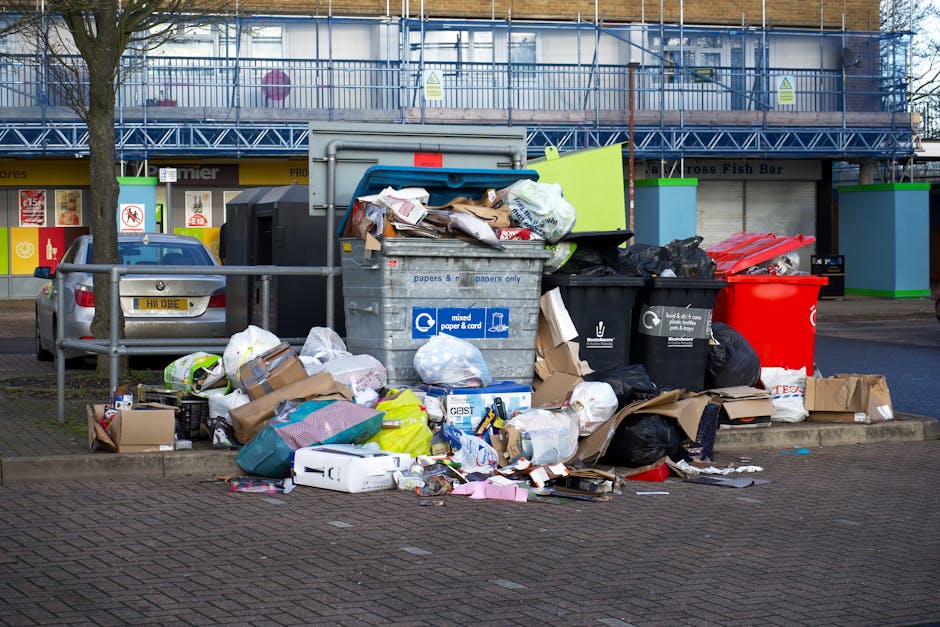
Flask Walk rubbish collection options NW3
Posted on 22/06/2026
Flask Walk rubbish collection options NW3: a practical guide for homes, landlords and local businesses
If you are trying to work out the best Flask Walk rubbish collection options NW3, you are probably dealing with something fairly ordinary and slightly annoying: a pile of bags that will not fit in the bin, a flat clearance after a move, garden cuttings after a weekend tidy-up, or building debris that has no business sitting on the pavement. Truth be told, rubbish has a way of becoming urgent at exactly the wrong time.
This guide breaks down the realistic options available, how they work, what to watch out for, and how to choose a service that is safe, compliant and actually convenient. Whether you are on Flask Walk itself or nearby in the NW3 area, the aim is simple: help you make a sensible decision without overcomplicating it.
For readers who want a broader overview of available help, you can also explore the services overview and the company's approach to recycling and sustainability.
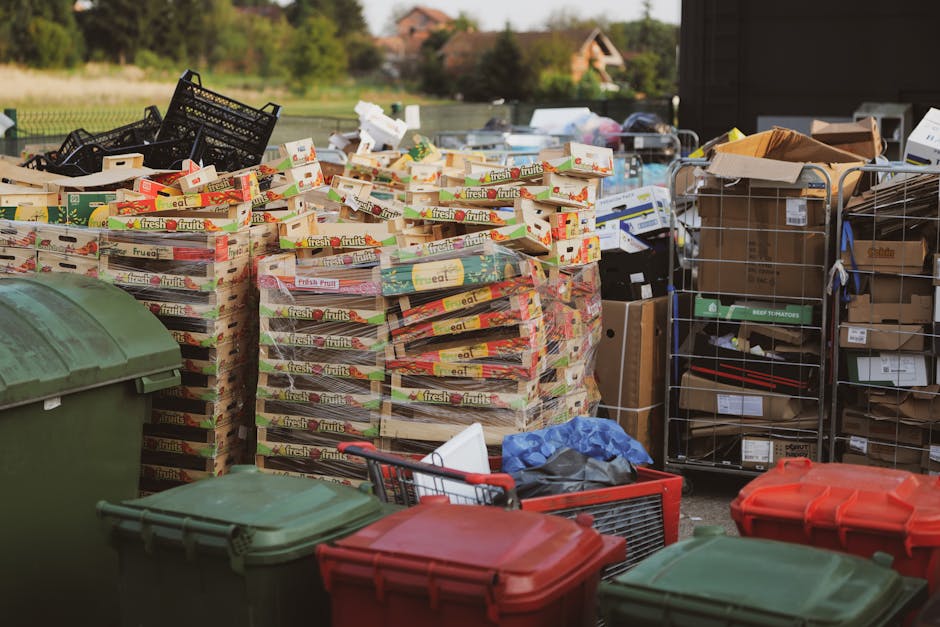
Why Flask Walk rubbish collection options NW3 Matters
Flask Walk is the kind of street where space matters. A small hallway, a narrow stairwell, a shared front path, parked cars, and limited room for bulky waste can turn a simple clear-out into a bit of a faff. That is exactly why understanding your rubbish collection options matters before the bags start stacking up by the door.
There is also the practical side. Different waste types need different handling. A few black bags from a declutter are one thing; a pile of broken furniture, old appliances, renovation rubble or garden waste is another. Choosing the wrong route can mean delay, extra lifting, access issues, or avoidable costs. And let's face it, nobody wants to haul a wardrobe downstairs twice.
For NW3 residents, the best option is not always the cheapest one. It is the one that fits the amount of waste, the access to your property, the time you have available, and the level of care needed. If you are in a landlord-managed flat, an office, a shop or a converted house, those factors become even more important. What looks simple on paper can become messy very quickly in real life.
There is also the trust factor. Any waste collected should be handled by a responsible operator with proper compliance and a clear route for reuse or recycling where possible. That is why it helps to check the company's waste carrier licence and compliance before you book.
How Flask Walk rubbish collection options NW3 Works
At a practical level, rubbish collection usually starts with a short assessment of what needs removing. Some jobs can be priced from photos. Others need a brief site visit or at least a careful description over the phone. The more accurate the information, the smoother the collection tends to be.
Most rubbish collection options in NW3 fall into a few familiar patterns:
- Scheduled collection for routine household or commercial waste.
- One-off clearances for bulky items, moving day clutter or end-of-tenancy waste.
- Same-day or next-day collection when the mess cannot wait.
- Specialist disposal for furniture, white goods, garden waste, builders' waste or office contents.
The job normally begins with access. Can the team park close by? Is there a lift? Are there stairs, tight corners or permit restrictions? On streets around Flask Walk, that access question can matter as much as the actual volume of rubbish. Sometimes the hardest part is not the lifting. It is getting the item out without chipping a wall or blocking the pavement.
Once the waste is loaded, a reputable operator will sort items for reuse, recycling or disposal where appropriate. That matters for both environmental and compliance reasons. If the waste is mixed, hazardous, or includes electrical items, the handling process needs to be more careful. In some cases, a service such as white goods and appliance disposal may be the cleanest route.
If your rubbish is coming from a renovation, the collection process may look a little different again. Builders' materials often need a dedicated approach, which is where builders waste removal becomes useful. That is especially true when rubble, timber offcuts, plasterboard or mixed construction waste is involved.
Key Benefits and Practical Advantages
The obvious benefit is time saved. But if we are being honest, the bigger advantage is peace of mind. A proper collection keeps your property usable, reduces stress before a deadline, and helps you avoid the "I'll deal with it next weekend" cycle that can go on for months.
Here are the main benefits people tend to notice:
- Less lifting and carrying when the waste is removed from inside the property.
- Faster turnaround than waiting for a council-style collection window in many cases.
- Better handling of mixed waste including awkward or heavy items.
- Cleaner presentation if you are preparing a flat, rental property or sale.
- Reduced risk of errors around disposal and sorting.
For landlords and property sellers, that last point matters a lot. A half-cleared room does not photograph well, and a hallway full of bags makes a place feel smaller and more neglected than it really is. If you are preparing to market a home, a tidy clearance can support the work already being done elsewhere, including the practical steps discussed in making informed real estate choices in Hampstead.
There is also a sustainability angle. Good waste handling does not mean "everything goes in one lorry and that is the end of it". Responsible collection often means separating reusable furniture, recyclable materials and general waste. Even small jobs can make a difference when the right sorting happens at source.
Who This Is For and When It Makes Sense
Flask Walk rubbish collection options NW3 are useful for a surprisingly wide mix of people. It is not just for big house moves or major refurbishments. In fact, many of the most common requests are pretty ordinary.
This may suit you if you are:
- decluttering a flat or maisonette
- moving in or moving out
- clearing an inherited property
- emptying a rental between tenancies
- disposing of broken furniture or a worn-out sofa
- getting rid of garden cuttings after a tidy-up
- removing renovation leftovers
- clearing office or shop waste
It also makes sense when timing matters. Maybe the decorators are due tomorrow morning and the spare room is still full of old boxes. Maybe the fridge has finally given up in the middle of a warm spell. Or maybe the front room is full of charity rejects, broken shelving and a bike with one wheel missing. These are normal situations, not dramatic ones, and they often need a straightforward response.
For commercial premises, a different setup may be better. Offices, cafes, small retailers and studios in NW3 often need a recurring or one-off commercial service rather than a domestic clear-out. In those cases, commercial waste removal is usually the more relevant fit.
For house moves and major declutters, house clearance can be more efficient because it covers a larger mix of items in one go.
Step-by-Step Guidance
If you want the process to feel easy, it helps to break it into a few simple steps. Nothing fancy. Just common sense, really.
- Sort the waste by type. Separate general rubbish, furniture, garden debris, electrical items and anything sharp or potentially hazardous.
- Estimate the volume. A few bags, a roomful of items, or a van-load? This affects the method and likely cost.
- Check access. Note stairs, parking limitations, loading distance and any entry restrictions.
- Take photos if useful. Visuals help with accurate quotes and reduce surprises on the day.
- Ask how the waste will be handled. You want to know what gets reused, recycled or disposed of.
- Confirm timing. If you have a move-out deadline or contractor arrival, be clear about it early.
- Prepare the items. Where safe to do so, gather rubbish in one area so collection is quicker and cleaner.
A quick example: if you are clearing a top-floor flat near Flask Walk, it may be worth putting lighter bags by the doorway, keeping fragile items separate, and flagging any narrow stair turns before the team arrives. That tiny bit of preparation can save a lot of shuffling about later. Small effort, big payoff.
If your job involves old furniture, it can be sensible to look at a dedicated furniture removal service rather than trying to force it into a general waste collection. The same logic applies to garden cuttings through garden waste removal if you have a sizeable pile of branches, turf or hedge clippings.
Expert Tips for Better Results
A few small decisions can make the whole experience smoother. In our experience, the better jobs are usually the ones where the customer has thought ahead just a little. Not obsessively. Just enough.
- Be specific about item types. "A few bags" is not as useful as "six black sacks, two small chairs and a broken chest of drawers".
- Be honest about weight. A bag of books is very different from a bag of packaging.
- Plan around parking. In NW3, access and parking can shape the day more than people expect.
- Keep pathways clear. Even a narrow landing can make collection much slower if it is cluttered.
- Ask for separation advice. If you can easily split recyclable materials, do it. It can help with both sustainability and efficiency.
Another useful tip: if you are clearing a room, go in with a proper category system rather than a "keep, maybe, maybe not" pile that slowly takes over the house. We have all seen that pile. It grows legs. It never ends well.
For customers who care about how waste is handled, the recycling process and sorting standards are worth asking about in advance. A trustworthy provider should be able to explain the basics without making it sound complicated. If you value that kind of transparency, the company's about us page is a sensible place to understand the general approach.

Common Mistakes to Avoid
Most rubbish collection problems are avoidable. That is the good news. The slightly annoying news is that the mistakes are usually the obvious ones.
- Leaving waste until the last minute. This creates rush fees, access problems and avoidable stress.
- Misdescribing the load. A quote based on "household waste" may not fit a mixed clearance with furniture and appliances.
- Ignoring access restrictions. Tight staircases, permit zones and loading difficulties can change the plan fast.
- Assuming every item can go in general rubbish. Electrical goods and certain bulky materials need proper handling.
- Choosing only on price. The cheapest option is not always the best value if it is slow, unreliable or non-compliant.
- Forgetting the end goal. If you want a proper clean reset, the collection should support that-not just move waste from one place to another.
One mistake people make around Flask Walk, especially in flats and converted properties, is underestimating how much the shared entrance space matters. Bags left out too early can be a nuisance, and in some cases a safety issue. Better to plan the collection window carefully and keep the common areas tidy.
For those who are worried about safety and liability, it may help to review the provider's approach to insurance and safety before booking. It is one of those things you hope never to need, until you really do.
Tools, Resources and Recommendations
You do not need a big toolkit for rubbish collection, but a few simple things help. A tape measure for bulky furniture, a phone camera for photos, sturdy gloves for sorting, and a notebook or notes app for item counts can all make the process easier.
Practical recommendations worth keeping in mind:
- Photos of the waste pile help with quoting and planning.
- Room measurements are useful if you are clearing large furniture or appliances.
- Bag counts are more reliable than vague estimates.
- Access notes should include gates, stairs, lifts and parking quirks.
- Item lists reduce the chance of misunderstandings on arrival.
If the job is linked to refurbishment or construction, do not mix everything together blindly. Builders' debris, plasterboard, timber and heavy mixed materials are better handled through a dedicated route. For appliance-heavy clearances, a specific disposal service tends to be more efficient too. That is where tailored pages like appliance disposal can be useful for planning.
For readers who want to understand pricing structure before they commit, the pricing and quotes page is the relevant place to start. And if you are ready to pay online or want to understand the process, the company's payment and security information is worth a quick look.
Law, Compliance, Standards, or Best Practice
Waste removal is one of those areas where good service and good compliance go hand in hand. In the UK, householders and businesses are both better off using a provider that can show proper licensing and handle waste responsibly. The details may sound dull at first, but they matter. They really do.
For a resident or landlord in NW3, the key best-practice points are simple:
- use a licensed waste carrier
- keep records where appropriate, especially for business waste
- make sure waste is transferred to a legitimate facility
- avoid fly-tipping by never handing rubbish to an unknown operator
- check whether any item needs special handling
This is not about paperwork for paperwork's sake. It is about knowing your waste is not going to reappear in a lane, a field or a roadside layby somewhere. A reputable company should be comfortable explaining its process and compliance steps. If you are comparing providers, that is a big green flag.
For businesses, the bar is even higher because duty of care applies to how waste is stored, transferred and documented. If your rubbish collection involves offices, retail stock, or regular commercial clear-outs, it is worth choosing a provider experienced in commercial waste removal rather than treating it like a household collection.
There are also ethical considerations. Service providers should have a fair, lawful supply chain and responsible working practices. If that matters to you-as it should-take a look at the company's modern slavery statement for reassurance about wider standards.
Options, Methods, or Comparison Table
When choosing between Flask Walk rubbish collection options NW3, the best method depends on what you need removed, how quickly you need it gone, and how easy the property is to access.
| Option | Best for | Strengths | Watch-outs |
|---|---|---|---|
| Regular scheduled collection | Routine domestic or commercial waste | Predictable, simple, often efficient | Less flexible for urgent or bulky items |
| One-off rubbish clearance | Decluttering, moves, end-of-tenancy jobs | Quick reset, good for mixed waste | May cost more than routine collection |
| Furniture removal | Sofas, wardrobes, tables, beds | Less lifting for the customer, better for bulky items | Large items may need pre-checks on access |
| Garden waste removal | Cuttings, branches, soil, light landscaping debris | Fast and tidy for outdoor jobs | Mixed green waste and soil can affect loading |
| Builders waste removal | DIY, renovation and light construction debris | Suitable for heavy or awkward waste | Material type and weight need accurate description |
| House clearance | Whole-property or room-by-room clear-outs | Efficient for large volumes and emotional jobs | Requires careful planning and item separation |
If the waste is mostly domestic clutter, a general collection may be enough. If the load includes a sofa, a damaged fridge and a stack of old cupboards, a more tailored route is better. And if you are clearing an entire property, house clearance usually saves time and lowers stress because it is designed for that kind of volume.
Case Study or Real-World Example
Here is a typical real-world scenario. A couple in a top-floor NW3 flat near Flask Walk had finished redecorating and wanted the place cleared before new furniture arrived on a Friday morning. They had a broken bed frame, a chipped coffee table, several sacks of packaging, an old microwave and a few bits from the hall cupboard. Nothing dramatic. Just enough to make the flat feel cluttered and awkward.
The main issue was access. The stairwell was narrow, the front entrance was shared, and the building had a tight turn at the half landing. So instead of trying to guess what would fit into a standard collection, the most sensible approach was to describe the items clearly, confirm the route through the property, and separate the electrical item from the general furniture. A quick plan like that made the collection straightforward and reduced the chance of knocks or delays.
What did they gain? Mostly time, but also a calmer move-in day. No last-minute panic. No awkward sorting at the kerb. No wondering where the microwave should go. Simple, but that is exactly the point. The best rubbish collections are the ones you barely have to think about once they are booked.
That kind of job is also where a useful local knowledge of streets, parking quirks and access patterns makes a real difference. In a neighbourhood like Hampstead, the details matter more than people think, whether you are close to Flask Walk, Rosslyn Hill, or nearby residential roads.
Practical Checklist
Use this quick checklist before booking any Flask Walk rubbish collection option NW3:
- Identify exactly what needs removing.
- Separate furniture, general waste, garden waste and electrical items.
- Count bags, estimate volume and note any heavy pieces.
- Check access, stairs, lifts and parking restrictions.
- Take a few photos if the load is tricky to describe.
- Confirm when the collection needs to happen.
- Ask how items will be sorted, reused or recycled.
- Make sure the provider is licensed and insured.
- Review pricing so you understand what is included.
- Clear walkways and keep shared areas tidy before the team arrives.
If you want a final sanity check before booking, skim the company's terms and conditions and privacy policy so you know what to expect around booking, data and service terms. It sounds boring. It is boring. But it helps.
Get a free quote today and see how much you can save.
Conclusion
Choosing the right Flask Walk rubbish collection options NW3 is mostly about matching the job to the reality of the property. A small flat clear-out, a bulky sofa removal, a garden tidy, or a business waste job each needs a slightly different approach. Once you account for access, waste type, timing and compliance, the decision becomes much easier.
The best outcome is not just a cleared space. It is a cleared space handled neatly, safely and without hassle. And honestly, that little bit of order can feel surprisingly good when you open the door and the clutter is gone.
If you are ready to get things moving, start with a clear description of the waste, think through access, and choose the option that gives you the least stress as well as the best value. Sometimes the simplest route is the smartest one.